Exteriors
Deck Repair or Replacement? Start Below the Deck Boards
Look beyond worn surfaces to framing, connections, guards, and stairs when deciding how much of an existing deck should be repaired.
In this guide
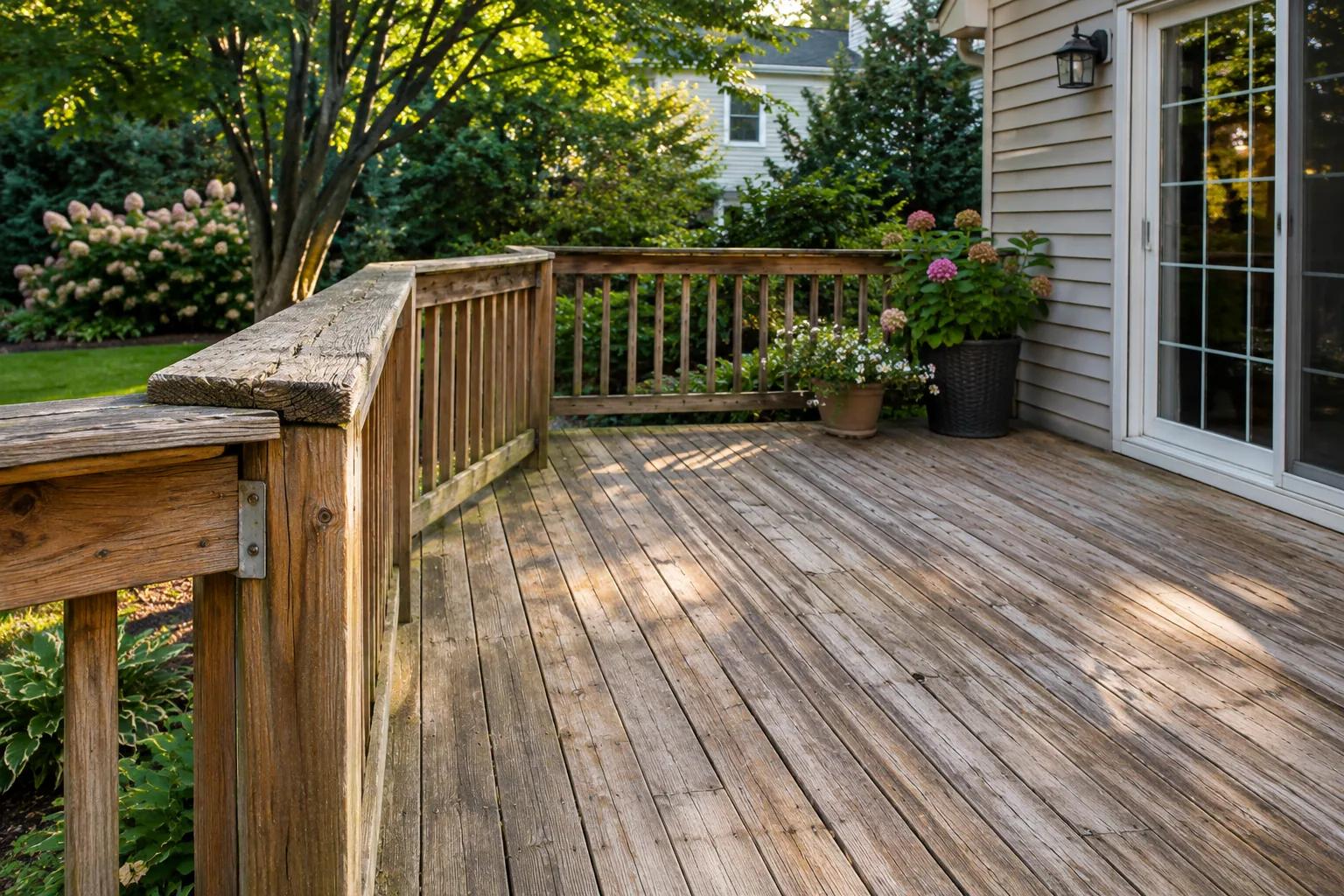
Worn deck boards are easy to see. The framing, house connection, supports, guards, and stair attachments can be more consequential when deciding whether an existing deck should be repaired or replaced.
Before investing in a new surface, establish whether the parts supporting it are suitable to keep. A deck can look refreshed while important underlying defects remain unresolved.
Stop using a deck that seems unstable
Movement, sagging, loose guards, damaged supports, or an apparent separation from the house warrants professional assessment. Keep people off a deck when its safety is uncertain.
Do not test it by gathering people on it, bouncing on boards, or leaning against a loose guard. Avoid crawling beneath an unstable structure to take photographs. Describe what you can observe from safe positions.
The American Wood Council's deck connection guidance emphasizes the importance of the house connection as well as guards and stairs. A meaningful deck evaluation goes beyond the walking surface.
Separate surface wear from deeper deterioration
A few damaged boards may suit a limited repair if the supporting assembly is sound. Replacing boards is a different scope from repairing framing, footings, stairs, or connections.
Ask whether deterioration is isolated or repeated across multiple components. Note where water collects, where the deck meets the house, and which areas stay shaded or damp.
Photograph the overall deck, visible supports, stair area, and house connection from safe locations. Tell the contractor about earlier repairs and any change in movement or appearance.
Ask what can be retained and why
A useful repair recommendation explains which components remain, how they were evaluated, and what work is necessary to make the proposed repair coherent.
Questions to discuss include:
- Is the issue confined to the surface, or are joists, beams, posts, or connections involved?
- How will the house connection and adjacent flashing be evaluated?
- Are guards, handrails, and stairs part of the work?
- Does the proposed new surface suit the existing support layout?
- What concealed conditions could change the recommendation?
- Who will confirm any project-specific design, permit, or inspection requirements?
Avoid interpreting an attractive new decking sample as evidence that the existing frame is suitable for it.
Consider the water path
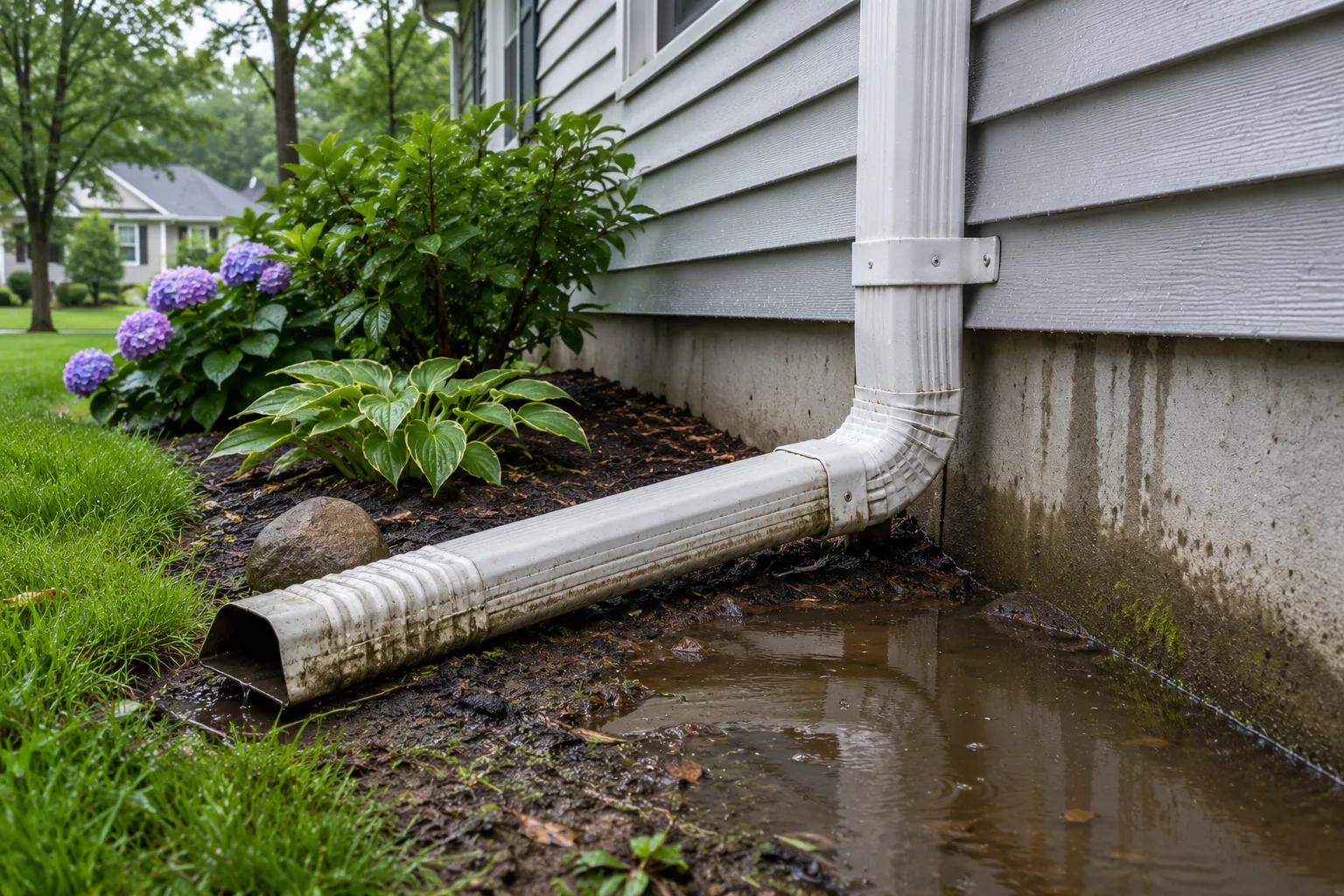
Deck deterioration near the wall may coexist with flashing or drainage problems. A downspout discharging toward supports or an entry may be relevant to the assessment.
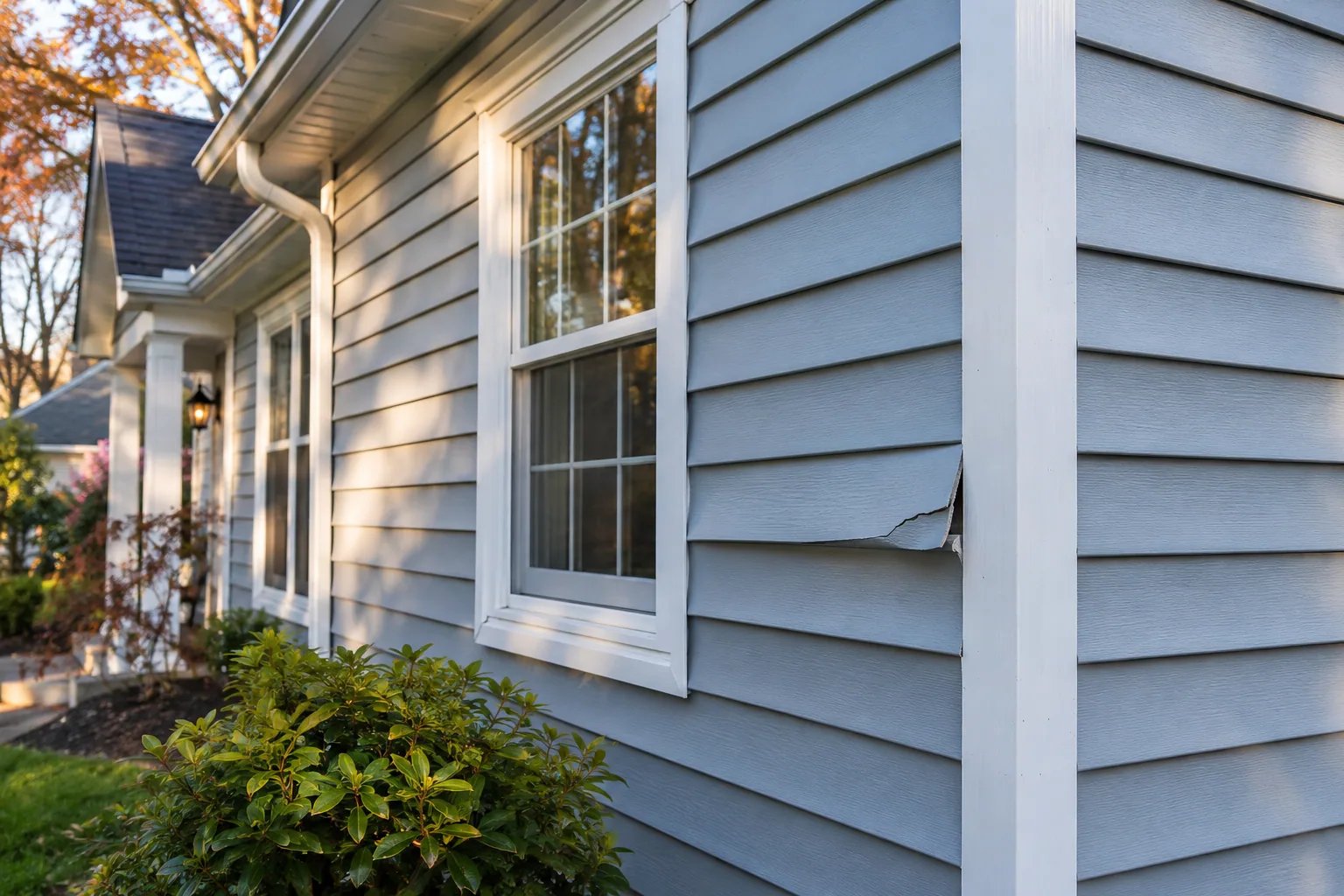
Our downspout drainage guide helps document runoff. The siding repair guide covers questions to ask where exterior layers meet.
These observations help coordinate the scope; they do not establish a cause without inspection.
Compare repair and replacement realistically
A limited repair should name the components and the boundaries of the work. A replacement proposal should explain demolition, the new structure, surface material, stairs, guards, site access, and cleanup.
Ask how the proposal handles hidden damage and approvals for added work. If a repair retains older components, discuss what uncertainty remains and what future maintenance or inspection is recommended.
Replacement may deserve consideration when deterioration is widespread, the layout needs substantial changes, or keeping existing components undermines the intended work. The contractor should connect that recommendation to documented conditions.
Questions homeowners ask
Can new composite decking be installed on any old frame?
Do not assume it can. Product requirements, support spacing, framing condition, and connection details need review.
Does a deck's age determine whether it is safe?
Age provides context, but condition, installation, exposure, and changes matter. A fixed age rule cannot replace an assessment.
Should adjacent steps be included?
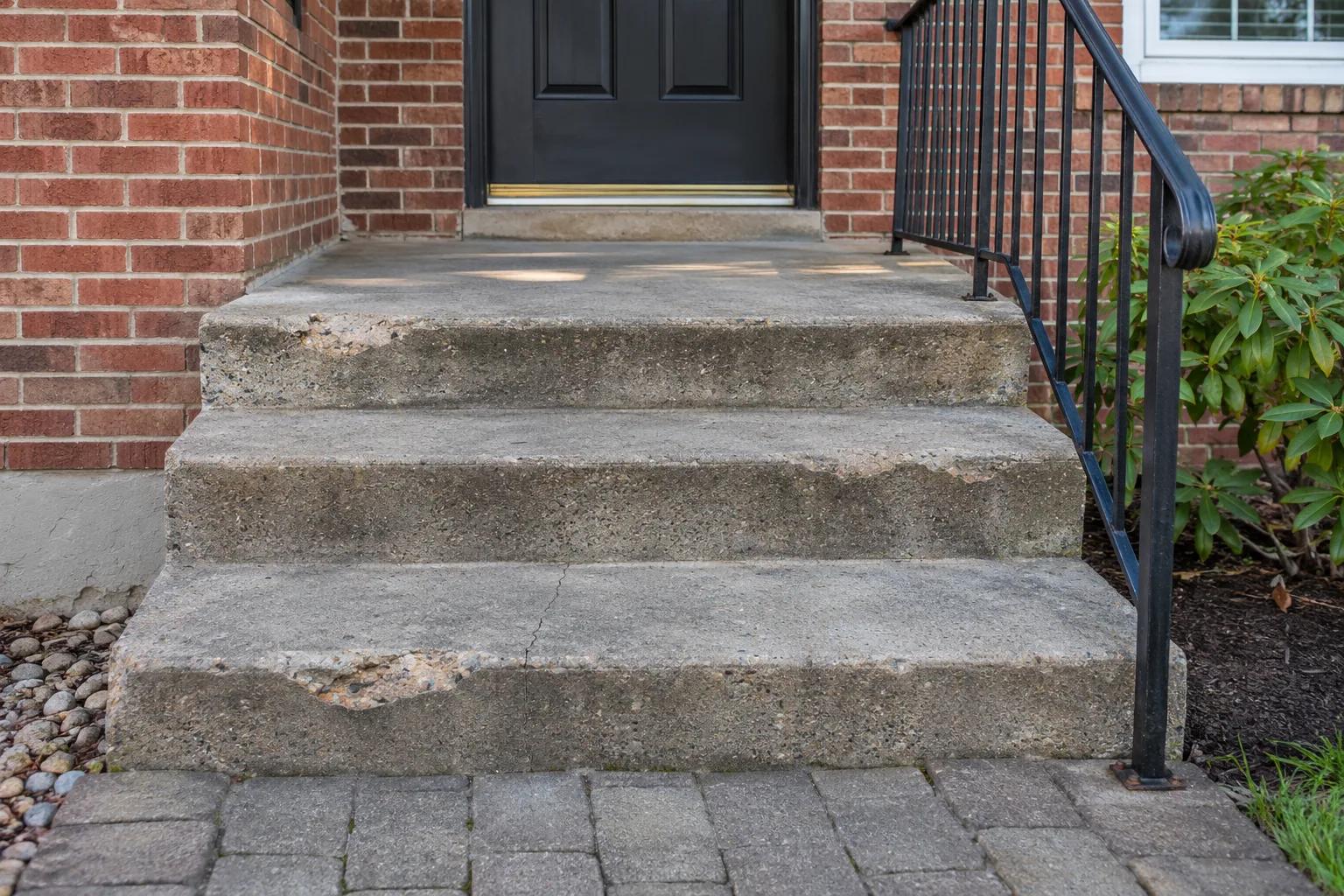
If the work affects access or connected components, discuss them together. Our concrete step guide explains a related repair decision.
Request a complete deck assessment
Royal One Construction provides decking services in New Jersey. Use the estimate form to describe the surface concerns, movement, access, and any visible damage. Ask for a recommendation that addresses the supporting structure as clearly as the finish.