Drainage
Do Your Gutters Need Repair or Replacement? Look Beyond the Drip
Use overflow patterns, sagging sections, leaking joints, and outlet conditions to separate maintenance problems from replacement needs.
In this guide
A dripping gutter joint may need a localized repair. A gutter overflowing along an entire roof edge may have a blockage, an outlet problem, poor alignment, or a system that needs a broader change.
The right decision begins with what the water is doing. Before replacing a whole gutter run, document the pattern and ask why the existing system is failing.
Watch a rain event from a safe place
When conditions are safe, observe from indoors or the ground. Do not stand beneath loose gutters, use a ladder in rain, or walk near electrical hazards.
Note whether water spills from one joint, behind the gutter, over the front edge, or from a downspout connection. Record whether the overflow occurs only in intense rain or during ordinary rainfall as well.
Photograph a wide view that shows the roof edge and outlet, then a closer view of the problem. A brief video can help distinguish a steady joint leak from a sudden overflow.
Separate maintenance from damage
Leaves and debris can obstruct an otherwise usable system. A blocked outlet may make a long run appear too small. The professional assessment should address cleaning and drainage conditions before deciding that every section needs replacement.
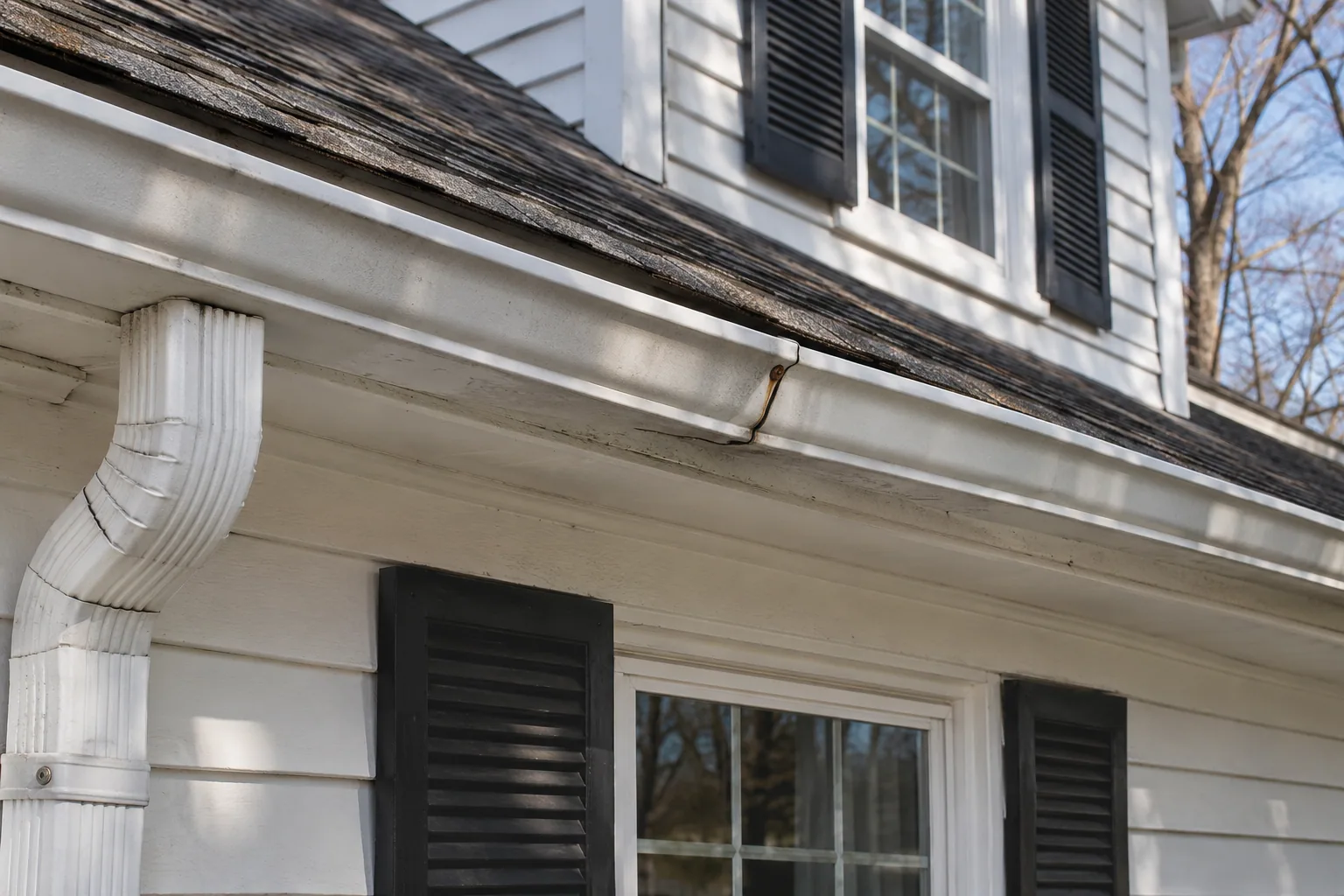
Gutters also need suitable support and alignment. Sagging, separation, repeated joint leakage, and deteriorated sections deserve inspection. Ask whether a specific defect can be corrected reliably and how the repair will integrate with the remaining system.
A repaired gutter must still deliver water to a functioning downspout. Treat the whole runoff path as part of the discussion.
Look beyond the gutter itself
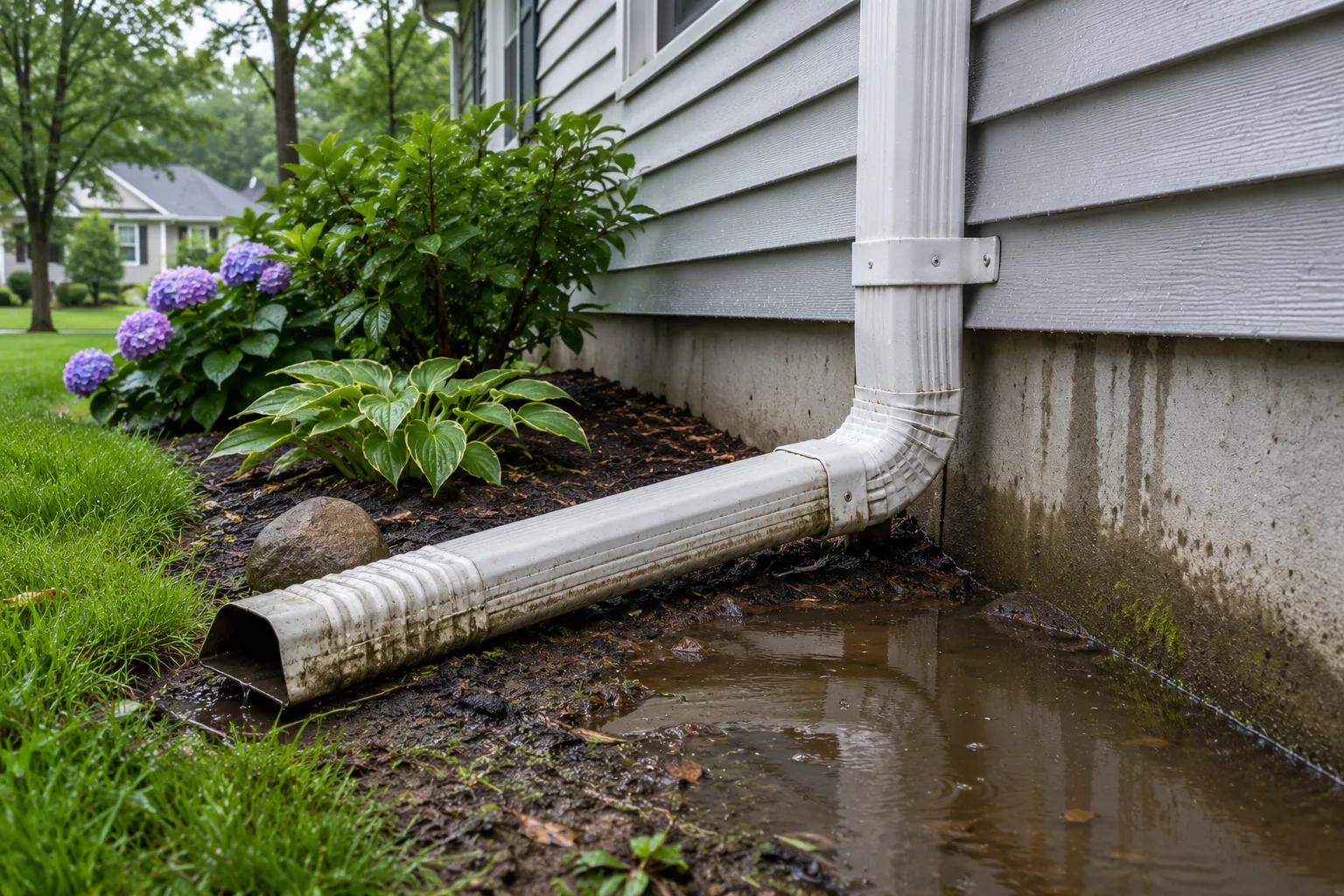
Water near the foundation or a wet wall can have several causes. Roof-edge details, fascia condition, downspout discharge, and site drainage may contribute.
The Building America guidance on gutters and downspouts explains their role in carrying runoff away from a building. Replacing visible metal alone does not guarantee that the eventual discharge location is suitable.
Use our downspout drainage guide to record what happens after water leaves the gutter. If siding damage is nearby, share those photographs too.
Ask when replacement makes sense
A wider replacement may deserve consideration when damage is distributed, sections repeatedly fail, the layout cannot drain properly, or the supporting materials need coordinated repair.
Ask the contractor to explain the evidence behind the recommendation. How much of the system remains serviceable? Which problem would a limited repair leave unresolved? Does the proposal include outlets, downspouts, supports, and affected roof-edge details?
A replacement estimate should identify the included elevations, material, arrangement of downspouts, removal, cleanup, and any excluded fascia or carpentry work. Confirm how concealed damage would be documented and approved.
Compare gutter guards carefully
Guards may be part of a proposed system, but they do not eliminate every inspection or maintenance need. Ask what debris is common around your house, how the proposed product handles it, and how future cleaning is performed.
Do not let a guard upgrade distract from a known slope, support, or discharge problem. The primary objective remains moving water where it needs to go.
Questions homeowners ask
Do leaking seams automatically mean new gutters?
No. Some joints may be repairable. The surrounding condition and cause of the leak determine whether a localized repair is sensible.
Why do gutters still overflow after cleaning?
Possible causes include an obstructed downspout, alignment problems, runoff concentration, or other defects. The answer requires checking the system in context.
Should gutter and siding work be coordinated?
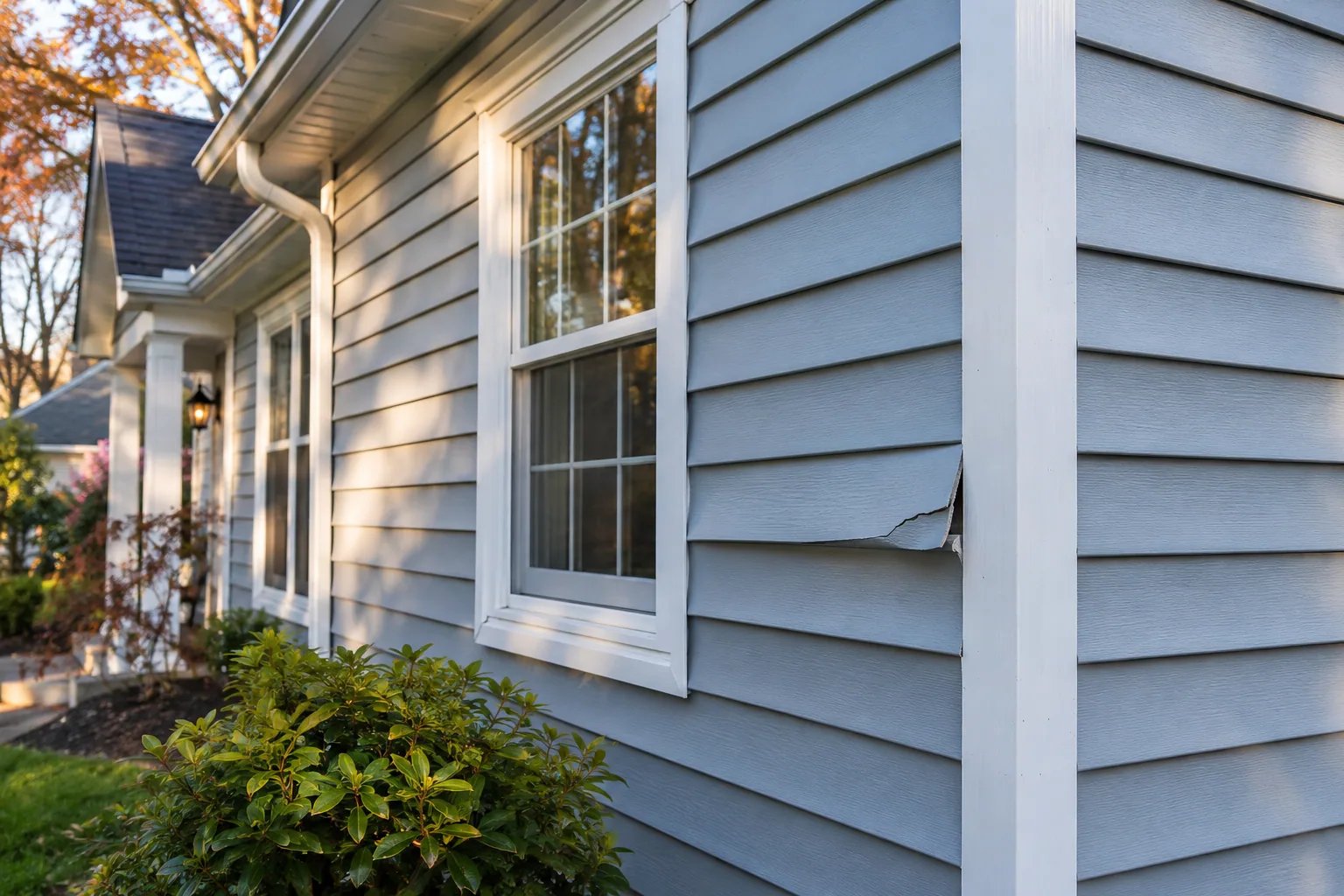
Where they meet, coordination can prevent overlooked details. Our siding repair guide explains related scope questions.
Request a water-management assessment
Royal One provides gutter installation and repair information in New Jersey. Use the estimate form to share the overflow location and photos. For seasonal planning, see the winter roof and drainage checklist.